
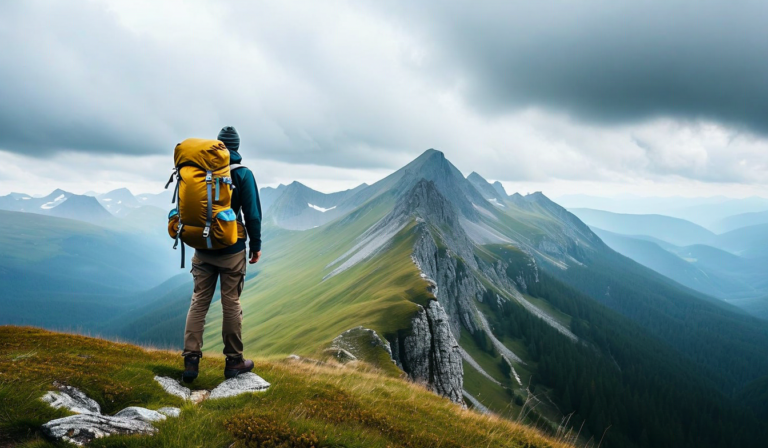
First-time solo travel triggers a specific set of fears that experienced solo travelers find difficult to remember having. The fears are real but almost universally overestimated. The loneliness won't be as bad as you imagine - solo travel is socially rich in ways that group travel isn't, because you're always available to connect with others and never buffered by a companion. The safety risks are real but manageable in almost any destination with preparation. The logistical complexity is real and underestimated - not because solo travel is hard, but because all the decisions fall to you and there's no one to offload them to when you're tired.
Destination Selection for First Solo Trips
First solo trips work best in destinations where English is widely spoken or where basic navigation is straightforward, where solo travel infrastructure (hostels, solo-traveler-friendly accommodation, organized day tours) is established, and where the safety profile is well-documented.
Portugal, Japan, New Zealand, Canada, and much of Western Europe are commonly cited as destinations well-suited for first solo trips, and for good reasons. Japan in particular has a strong solo travel culture - solo dining (ichiran ramen restaurants literally have solo booths as their primary format), excellent public transit, and low crime rates make it a remarkably comfortable first solo international experience despite the language barrier.
The common mistake: choosing an adventurous, off-the-beaten-track destination for your first solo trip because you want the experience to be maximally different. This is a reasonable goal but creates unnecessary difficulty by combining the logistical challenge of first-time solo travel with the logistical challenge of a difficult destination. Start with a destination where the basics are easy and then add complexity progressively.
The Solo Accommodation Question
Solo accommodation costs more per person than shared accommodation, which surprises first-time solo travelers who haven't thought through the single supplement. Most hotel rooms are priced for two occupants. A room that costs $120 for two people costs $120 for one person - not $60. Over a two-week trip, this differential adds up to a significant portion of the total budget.
Several accommodation types address this differently. Hostels offer private rooms at meaningfully lower prices than hotels, with the option of moving to dorm rooms for even lower costs. This is an obvious option but one that many solo travelers who are past a certain age or comfort threshold won't use. No judgment - the right accommodation is the one you'll actually be comfortable in.
Guesthouses and family-run accommodations often price single occupancy more fairly than chain hotels. The owner of a 12-room guesthouse in Lisbon or Kyoto is not applying a corporate single supplement policy - they're pricing based on what's reasonable. These properties also tend to offer breakfast and informal local knowledge that large hotels don't provide, which is specifically valuable for solo travelers who don't have a companion to consult.
Safety Planning - Practical, Not Paranoid
Solo travel safety planning has two layers: reducing the probability of problems and preparing for problems when they occur. Most safety planning advice focuses on the first layer (don't walk down dark alleys, keep your bag in front of you in crowds) while under-addressing the second.
For the second layer: someone at home should have your complete itinerary, including accommodation names, addresses, and booking confirmation numbers for every night of the trip. If you go off-grid unexpectedly and this person doesn't hear from you on an agreed schedule, they have enough information to contact accommodations and local authorities. This is not dramatic precaution - it's the basic communication structure that turns a missing-person situation from a crisis into a traceable logistics problem.
Check in with this person at least every 48-72 hours. Not necessarily a detailed update - a brief message confirming you're in the next city you were scheduled to be in. Some travelers set up a simple system: "if you don't hear from me by Tuesday, here's what to do." The system is most valuable when it's never activated.
For destination-specific safety: research the current safety situation through government travel advisories (not travel blogs, which are often significantly out of date for changing situations), specific neighborhoods to be aware of (not as "avoid entirely" but as "situationally aware in"), and standard local scams. Knowing that the "tea ceremony scam" exists in Beijing or the "jet ski damage scam" exists in some Thai beach towns doesn't require avoiding those places - it just means you don't fall for them.
The Social Reality of Solo Travel
Solo travel changes the social dynamics of travel in ways that most first-timers don't anticipate. When you're traveling with someone, you have a built-in social buffer - you're always talking to someone, you're never sitting alone at dinner, you never have to initiate a conversation. Solo travel removes that buffer.
Removing the buffer is uncomfortable at first and becomes one of the defining benefits of solo travel for most people who continue doing it. When you're at a restaurant table alone, you're much more likely to have a conversation with the person at the next table. When you're at a hostel common room, you're approachable in a way that a group of two or three is not. The social richness of solo travel comes from exactly this dynamic - you're available for connection in a way that paired travelers usually aren't.
Practical tactics for the socially anxious first-time solo traveler: eat at the bar rather than a table, which puts you in natural proximity to other solo diners and bar staff. Book organized day tours for a destination or two on each trip - they create structured social opportunities with other travelers without requiring active initiation. Stay in social hostels (Selina and Generator have well-regarded social programs) even if you're booking private rooms.
Managing Decisions When There's No One to Consult
One of the underappreciated challenges of first-time solo travel is decision fatigue. When you travel with someone else, you share the decision-making load: "you figure out dinner, I'll figure out tomorrow's route." When you're solo, every decision is yours. After a long day of navigating a new city, making dozens of small decisions, and managing your own logistics, the decision of where to eat dinner feels much harder than it should.
Build in decision-free zones. Have a category of decisions pre-made before you leave: "I always stay within 10 minutes of the city center by public transit," "I use Tripadvisor's top-10 local restaurants in each city and pick based on what's near where I already am," "I take the first museum I encounter on my walk rather than planning museum days specifically." Pre-made decision rules reduce the cognitive load of constant decision-making without requiring you to over-plan the trip.
Budget Reality for Solo Travelers
Solo travel is more expensive per person than shared travel across most cost categories. Accommodation is the most obvious (single supplement), but the same dynamic applies to private taxis versus splitting a fare, to restaurant dining where a shared bottle of wine becomes a glass instead, and to private tour activities versus splitting the cost with a companion. Budget 20-30% more per day for solo travel compared to what a similar standard of travel would cost you traveling with one other person.
This isn't an argument against solo travel - it's an argument for budgeting accurately. Arriving at a destination with an unrealistic solo travel budget that was based on "travel with a partner" cost assumptions creates financial stress that degrades the trip experience.
Planning Depth for Solo Trips
Solo trips benefit from slightly more upfront planning than paired travel, specifically because there's no one to help manage situations when they go wrong. Knowing the accommodation address, having it saved offline, understanding the transit options from the airport before arrival, and having the accommodation's phone number - these are all small pieces of information that require no effort in paired travel (one person figures it out) and require active preparation in solo travel.
The planning framework for solo trips is identical to any well-organized trip. As we describe in our guide on organizing your travel documents, the pre-trip preparation process produces the same outputs whether you're traveling solo or with others - the documents, the offline itinerary, the contingency plan. The difference is that in solo travel, all of it is your responsibility rather than shared.
The Last Note
First solo trips change how you travel. Most people who do one do more of them. Not because group travel becomes less enjoyable, but because solo travel develops a specific kind of self-reliance and intentionality that makes you a better traveler in any configuration. Plan it carefully, start with a manageable destination, and go.